About Rob

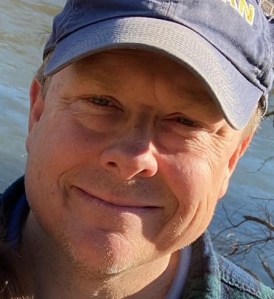
Rob Shapard, PhD

pronouns: he/him

robertpshapard@gmail.com

I focus my work on:

  • Writing stories for a range of publications
  • Creating and conducting oral history projects
  • Providing historical research services
  • Tutoring in History and English

“Rob is a historian with Swiss-army knife talents. He is a skilled oral historian who connects well with narrators. He is a polished writer with an eye for the revelatory quote and episode. He is a dogged and imaginative researcher. He knows how to glean research gold from arcane business records no less than prolix personal correspondence. His deep experience as a teacher has given him a keen sense of how to translate the complexities of the past for diverse audiences. And, rounding out these skills and talents, is his deep knowledge of and interest in the history of the United States and its natural environments.”

-Dr. W. Fitzhugh Brundage, Umstead Distinguished Professor at UNC Chapel Hill; editor of A New History of the American South; and author of Civilizing Torture: An American Tradition.
TRAINING & WORK

ORAL HISTORY EXPERIENCE

CURRENT & RECENT PROJECTS


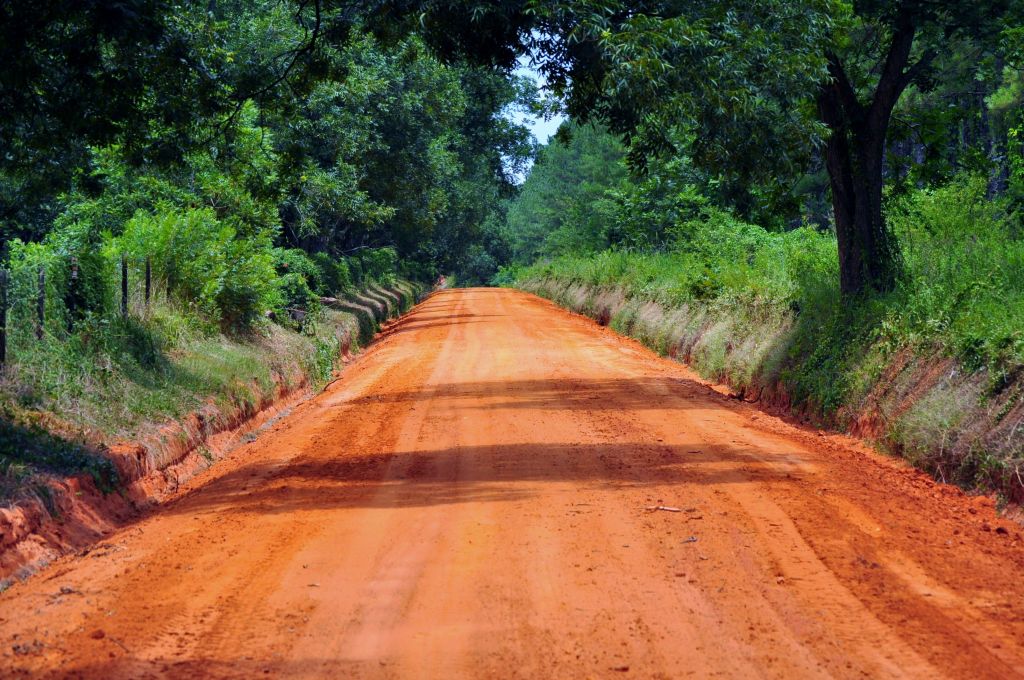
The red-orange clay of the Georgia piedmont, where I grew up, leaves its mark on your memories – as well as your clothes, shoes, and vehicles; I was on a road trip once when my Jeep’s transmission ceased transmitting permanently outside Sioux Falls, South Dakota. At the repair shop, mechanics with puzzled expressions came to see me in the waiting area, where I was drinking undrinkable coffee, and asked me about all the red dust in the engine compartment (a sharp contrast to the dark Dakota dust); they seemed concerned. No worries, I said, just good ol’ southern red clay. Allrighty then, they replied, and went back to the work of crushing me for the transmission repairs. Photo by Geoff Dale.
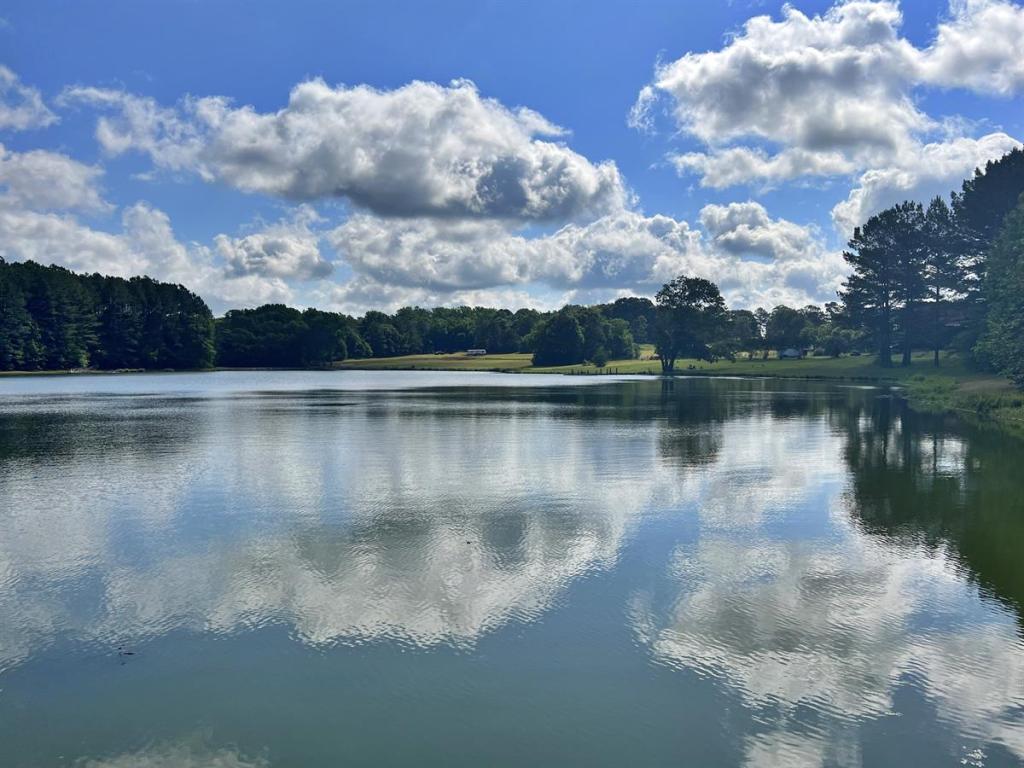
Ponds and lakes in Georgia like this one in my home county are the realm of largemouth bass, bream, bluegills, catfish, crappies, striped bass, white bass, hybrids and other fish. Growing up, I relished being on the water, fishing and watching wildlife. There were occasional incidents, like hooking my sister in the hand, and later hooking myself in the head with a fishing lure that an ER doctor had to remove; flipping a canoe and sending all my gear to the bottom; getting a citation for having no fishing license from a game warden in the middle of a lake; and getting so ill from chewing tobacco while fishing that my friends had to put me ashore. But usually these were peaceful times that sparked my interest in how humans relate to the life and landscapes around us.
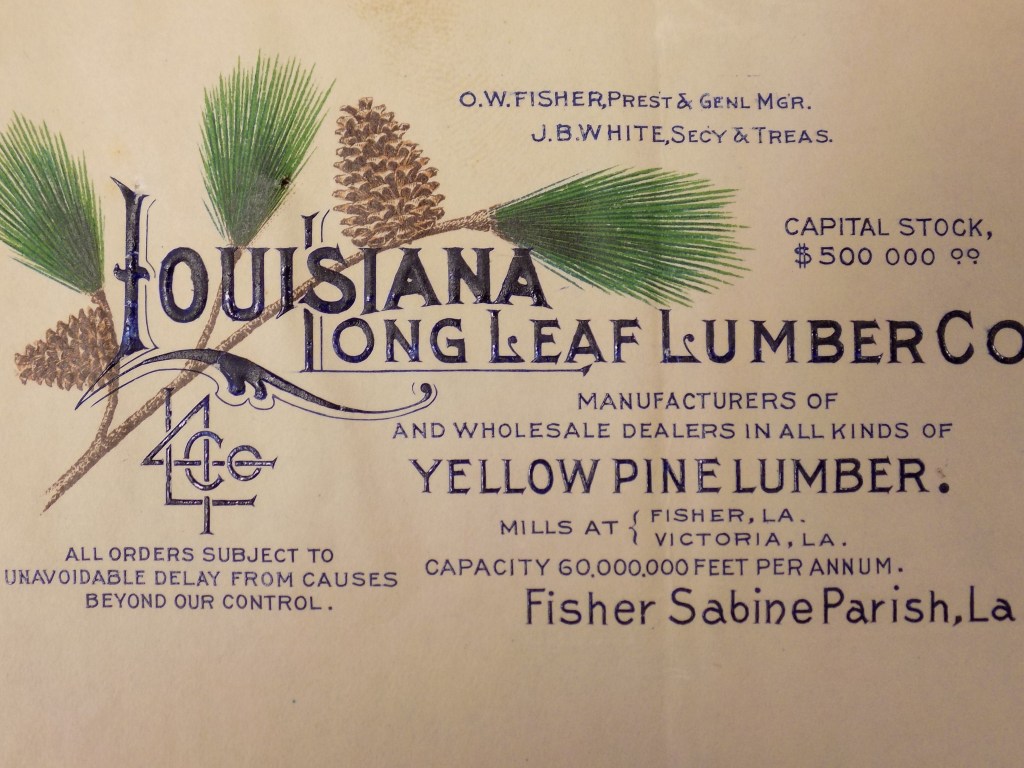
The Louisiana Longleaf Lumber Co. was one of many enterprises established in the late nineteenth and early twentieth centuries to take profit from the abundant longleaf pine forests that remained in the Deep South; and by the 1920s, industrial-scale timbering had removed longleaf pine from about 95 percent of its historical range. I am working on a book that explores this transformation and its role in historical contexts such as the rise of the “New South,” and the efforts today to replant and restore longleaf across the South (letterhead image is from records curated by the State Historical Society of Missouri).
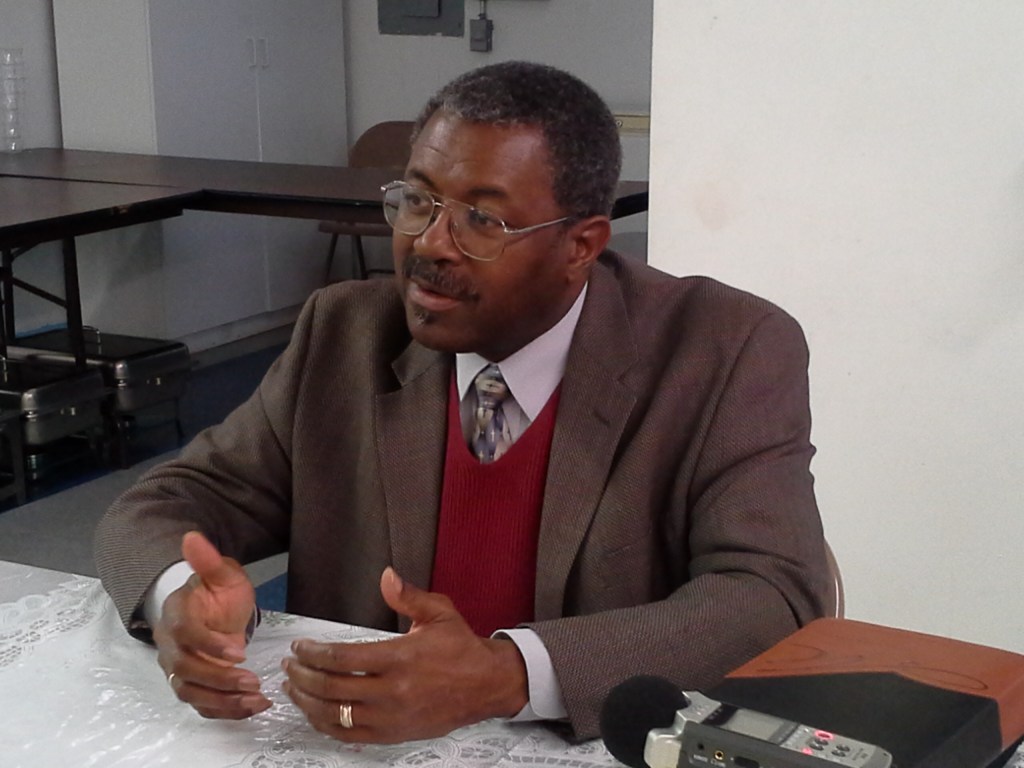
The Rev. Joseph L. Battle, pastor of Quankey Missionary Baptist Church in Roanoke Rapids, NC, often is soft-spoken, but he has lived his life with great strength and faith. Born in 1951, Battle grew up on a farm near Roanoke Rapids. He left after high school for jobs in New York and Virginia, but he came home in 1974 to work for textile manufacturer J.P. Stevens. Battle became the first African American manager in computer operations for the company in Roanoke Rapids, and he worked there for twenty-five years. When Stevens closed down, the credit union at the company continued as Industrial Credit Union, and Battle became a key leader for the credit union. He recorded an oral history with historian Dr. Joey Fink and me about his life and leadership with the credit union.