
Exploring life and finding connection, wisdom, and richer understandings of the past through the practice of oral history
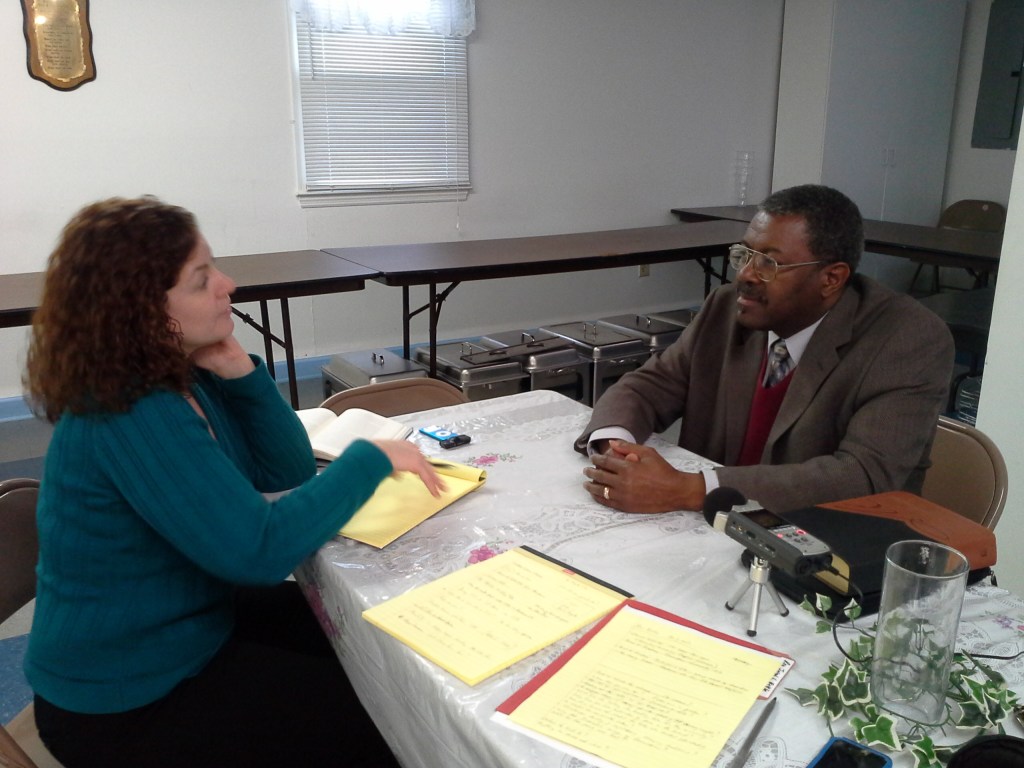
Credit Unions offered Help and Respect instead of Discrimination
Several colleagues and I interviewed eight remarkable North Carolinians about their lives and their leadership roles in credit unions in North Carolina that were established and/or led by African Americans, many of which were founded during the segregation era as an alternative means for citizens facing discrimination to save and borrow money.
The “Breaking New Ground” Project: Stories from African American Farm Owners in the American South
As an oral historian for the “Breaking New Ground” project, I traveled through rural Tennessee to connect and record interviews with African American landowners whose ancestors had worked to acquire and hold onto ownership of their own farms and land, in spite of many obstacles in the late 1800s and throughout the twentieth century.
“With his deep knowledge of southern agricultural and environmental history, Rob produced some of the most informative and stirring interviews in the Breaking New Ground collection. Perhaps more impressively, the genuine curiosity and respect he showed the women and men he interviewed allowed him to build trust with them, leading to deeply affecting interviews that sound like in-depth conversations between two long-time friends.
“He managed to evoke so much from narrators by stepping back to take stock of what they’d said: ‘That was a milestone in his life and his family’s future,’ Rob said at one point to a narrator about her great-grandfather’s purchase of a farm. ‘Sure was,’ the narrator replied, and she proceeded to add more details about the farm and the significance of landownership to her family’s trajectory.”
-Dr. Adrienne Petty, associate professor of history at the College of William and Mary; co-leader of the Breaking New Ground oral-history project; and author of Standing Their Ground: Small Farmers in North Carolina Since the Civil War
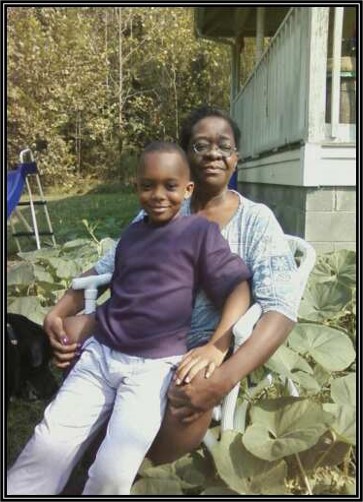

Minnie Lee Hancock Hammer, I wish we coulda known you better!
Usually it’s the act of recording an interview that demonstrates the value of oral history. But sometimes it’s a missed opportunity, like an interview that never happened with a fascinating person like Minnie Hammer of Asheboro, NC.
Human Connections through Exploring and Caring for the Land
“Honestly, there are lots of times when I just don’t know where we’re going,” Kate Dixon said in an oral history about her conservation work. “When I feel like that, I think, ‘I’m going to work on my small part, and do the best I can.’”
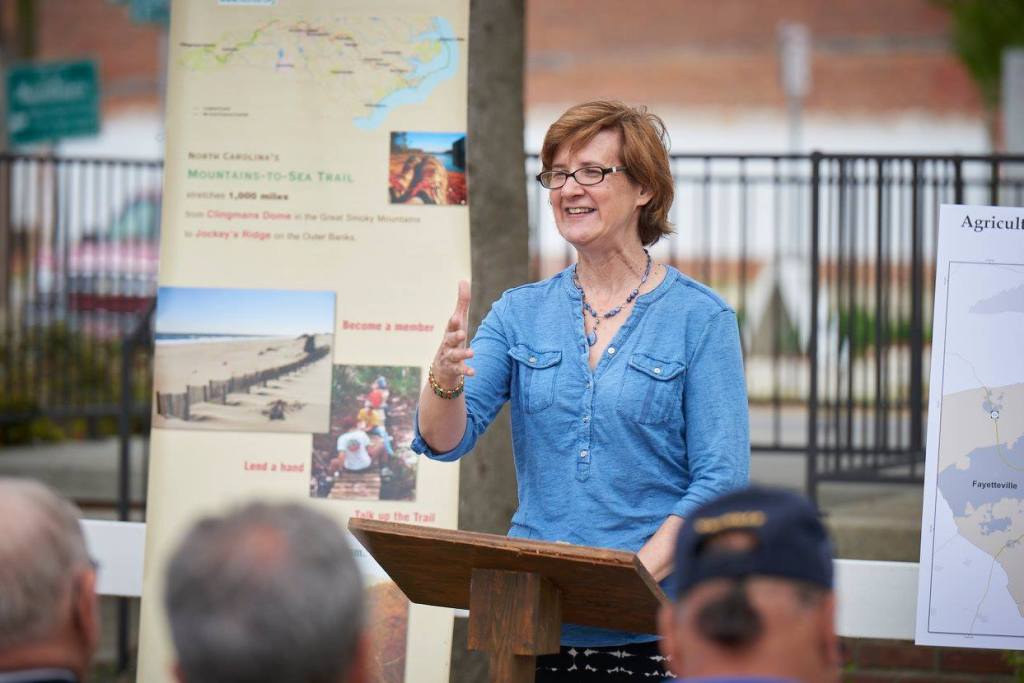
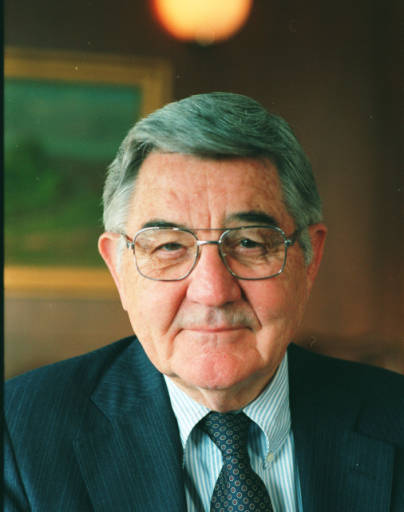
Following in the Footsteps of William C. Friday to help create a Better North Carolina
In these oral histories, community leaders talked with me and several interviewers about following the example of longtime UNC leader Bill Friday in their own work to tackle issues such as poverty in North Carolina. They described interactions with Friday; their approaches to alleviating poverty such as literacy, education, housing, and economic development; and key strategies for creating positive change.
“Rob Shapard is an unusually gifted oral historian. He is well-read in the literature of southern and agricultural history. He is also diligent and creative in locating interesting interviewees. Most significantly, he is a comfortable conversationalist whose authentic warmth and empathy puts people at ease. He listens. And he waits, as people recall their story. And he asks creative follow-up questions at important points in the interview instead of running along to cover more ground. These are the moments an interview uncovers telling details and vignettes.“
-Dr. Mark R. Schultz, professor of history at Lewis University; co-leader of the Breaking New Ground oral-history project; and author of The Rural Face of White Supremacy: Beyond Jim Crow
How to Search all the Interviews in the Southern Oral History Program’s Rich Collection
Many of the oral histories that narrators have created with me are among more than 6,500 interviews recorded by historians and narrators through the SOHP since 1973. The interviews are held and made accessible by the Southern Historical Collection at UNC; and this database is an excellent means of searching all the interviews using several different keywords.

“Oral history relies in part on the notion that, when an experience makes such a lasting imprint on the consciousness of a narrator [that] he or she remembers it vividly after many years, it is important both for that person and for historians looking for meaning in that person’s life.
“During an interview, past scenes take shape in the mind of the person hearing the stories, as well as in the mind of the narrator. The scenes are co-created in the telling of the stories and the listening.”
–Me, from this chapter in The Land Speaks, a collection on oral history and environmental history edited by Kathryn Newfont and Debbie Lee
The Small Print
© 2023-2025 Rob Shapard
Thanks to Jon Powell, PhD, my friend and fellow dad-joker, for his ongoing help with this site.
 Taproots Journal